Cools on shore power, not on propane
Points squarely at the gas side: burner, orifice, igniter, gas pressure, or flue. The cooling unit itself is often fine.

Cooling & food safety
A warm refrigerator is the fastest way to turn a good trip into an expensive grocery run. It is also one of the most misdiagnosed appliances in an RV.
RV refrigerators are not small versions of the one in your kitchen. Most are absorption units with no compressor at all — they move heat using a sealed ammonia solution, a burner or heating element, and gravity. That design is brilliant for travel and unforgiving about a handful of specific conditions: how level the rig is, how hot the surrounding air gets, how well the compartment vents, and whether the burner is clean.
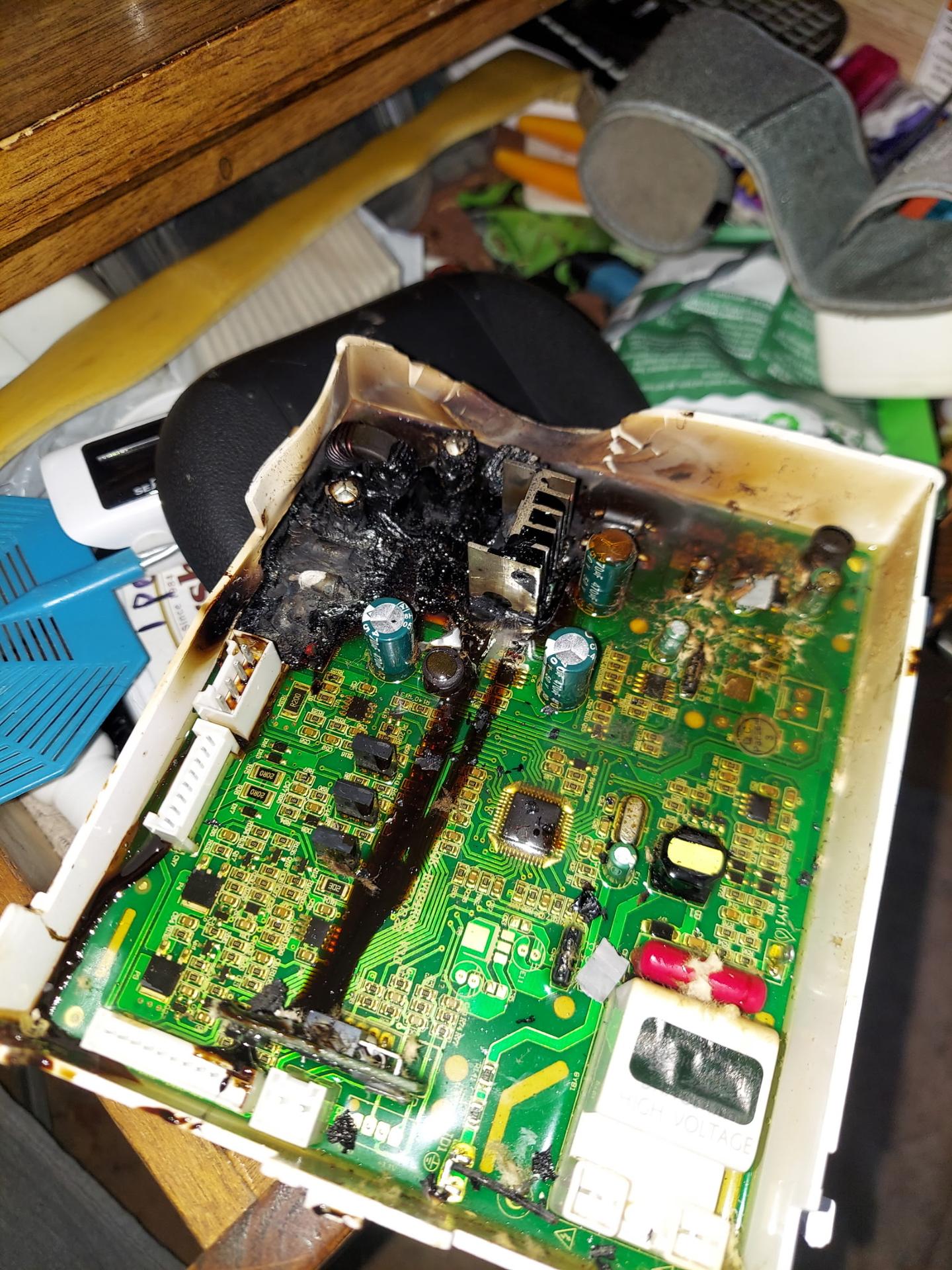
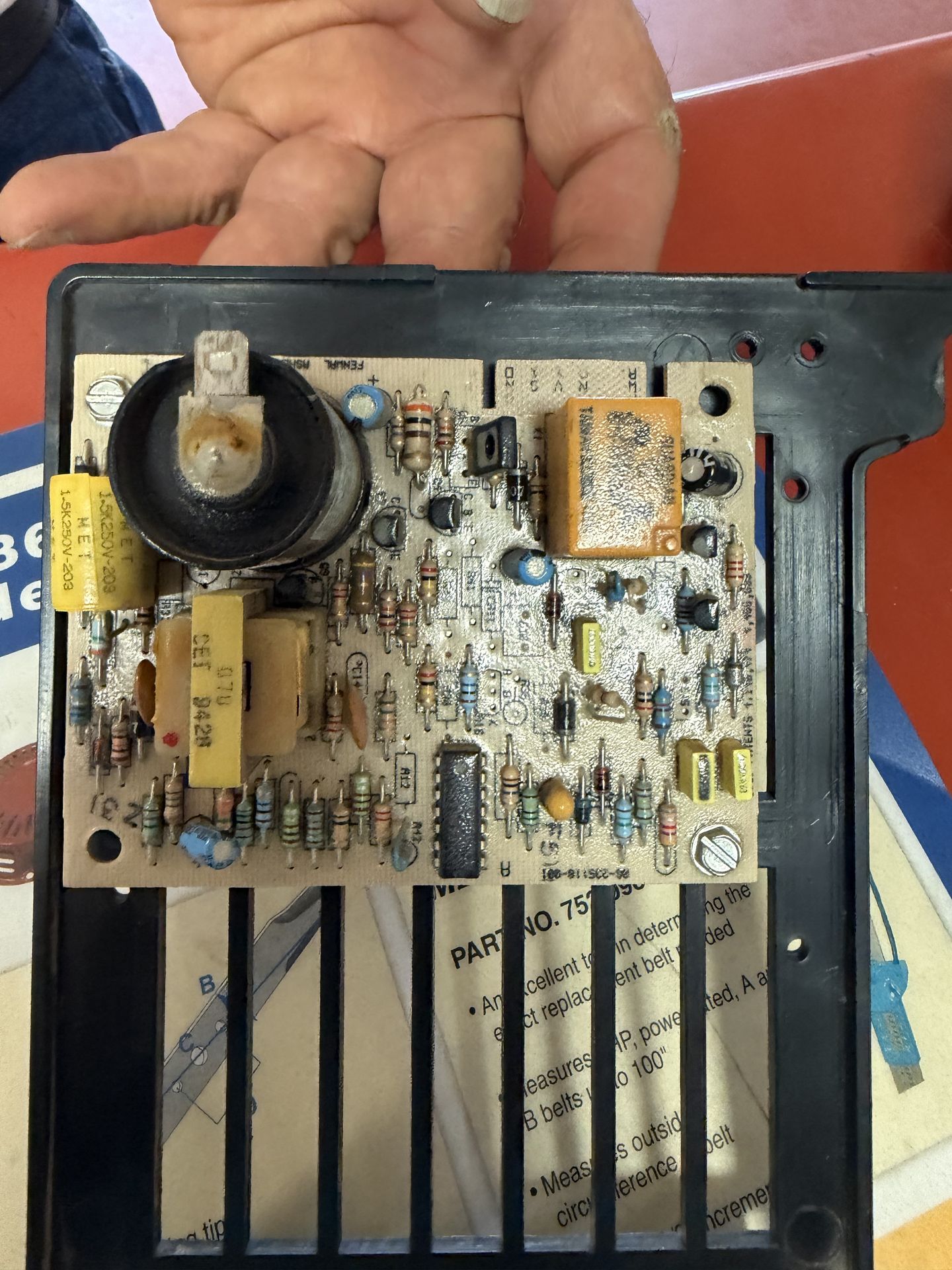
Because there are no moving parts to hear, owners often assume a unit that stops cooling is finished. Frequently it is not. A blocked flue, a dirty burner orifice, a failed heating element, a weak thermistor, a scorched control board, or simply days parked on a slope can all produce the same complaint. Diagnosis is what separates a modest repair from a needless replacement.
Symptoms we hear
Points squarely at the gas side: burner, orifice, igniter, gas pressure, or flue. The cooling unit itself is often fine.
Usually a heating element or its circuit. This split is one of the most useful clues an absorption fridge can give you.
Now we look at controls, thermistors, ventilation, and whether the cooling unit has lost its charge.
Often airflow, thermistor placement, or door seal related rather than a failed cooling unit.
A leaking cooling unit. Stop using the refrigerator, ventilate the coach, and call — this one is not a wait-and-see item.
Control boards fail, and so do their power supplies. We test the board's inputs before condemning the board.
An absorption refrigerator cools by shedding heat into the air around it, so its performance is limited by how hot that air is. Park in full Mesa sun in June and the compartment behind your fridge can sit far above ambient, which flattens cooling performance even when every component is healthy. Owners often describe this as intermittent failure when it is really a ventilation and heat-load problem.
Practical fixes matter here: clear vents, clean coils and burner, intact baffles, working vent fans, and shade over the fridge side of the coach. On more than a few calls, restoring proper airflow does more for cabinet temperature than any part we could sell you.
If your RV has a residential compressor refrigerator, the failure modes shift toward compressors, start relays, condenser fans, defrost systems, and the inverter and battery capacity feeding it. Plenty of owners discover the appliance is healthy but the power system behind it cannot carry it overnight without shore power.
We work on both types and, just as importantly, on the systems around them. A refrigerator complaint that turns out to be an inverter, converter, or battery bank problem is common enough that we check power quality as part of the visit rather than after the fact.
Sometimes a cooling unit really is done: an ammonia leak, an internal blockage, or corrosion that no adjustment will reverse. When that is the case we say so directly, explain the options — cooling unit replacement versus a whole appliance, absorption versus residential — and what each choice means for your power system and travel style.
What we will not do is quote a replacement before testing, or leave you guessing about why. You should understand the reasoning well enough to explain it to whoever asks you about it at the next campfire.
Scope of work
From our work
How it works
01
Which power mode fails, how long the rig has been level, and what the freezer is doing all narrow the cause fast.
02
We measure actual cabinet and component temperatures instead of guessing from the front panel.
03
Repairable faults get fixed. If the cooling unit is finished, you get straight options and real numbers.
“Bryon was excellent with communication, letting me know I can come in for service sooner than scheduled. He redid my entire PVC sewage line from tank to valve and saved me money by reusing undamaged parts. I totally recommend High Country RV.”
Before you call
Yes, within a few degrees. Absorption refrigerators rely on gravity to circulate their solution, and running badly out of level for long periods can permanently damage the cooling unit.
Related work
Food safety and comfort both ride on this appliance, so refrigerator calls get treated with some urgency, especially in summer heat and for owners living in their rigs full time.
Call 888-794-6755 and describe what your refrigerator is doing. Bring the model number if you have it.
Monday–Saturday, 7:00 AM–7:00 PM · 7337 Latigo Rd, Williams, AZ 86046