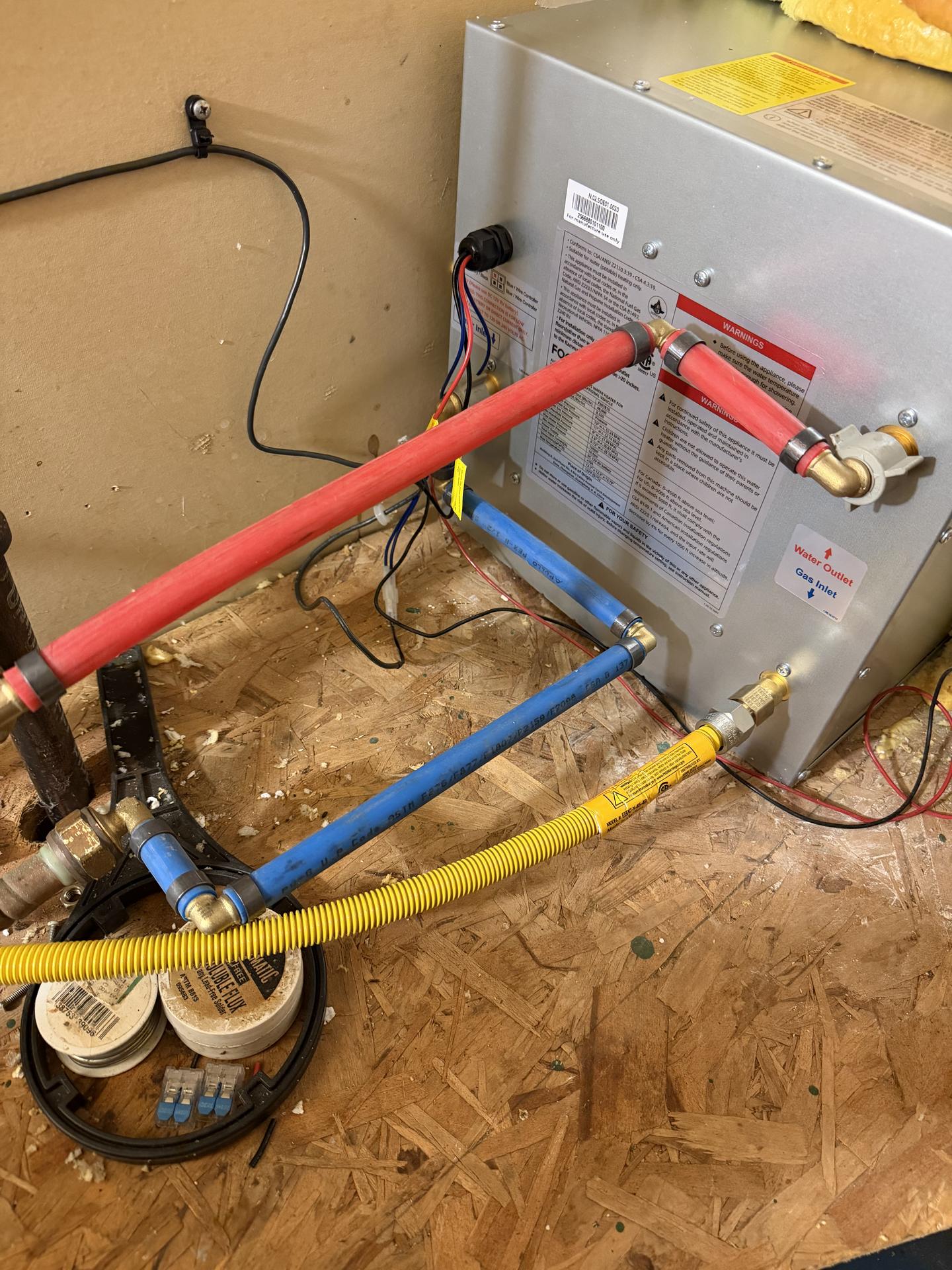
Seasonal Prep
Winterizing an RV in Flagstaff: Why Arizona Freezes Catch Owners Off Guard
· 6 min read
The freeze that shows up before you expect it
Every October we get the same call: a fresh water line split overnight, the pump is running and nothing comes out of the faucet, and there is water dripping out of the belly of the trailer. The owner almost always says some version of the same thing. It is Arizona. It was 68 degrees yesterday afternoon.
Flagstaff sits at roughly 7,000 feet. Williams is at 6,800, Parks and Bellemont are about 7,100, and Munds Park is close to 6,600. At those elevations the air is thin and dry, so it holds almost no heat after sundown. A clear October day in the high 60s can fall to 25 degrees by 5 a.m. The average first freeze in Flagstaff lands in the last week of September or the first week of October, and a 20 degree night in mid October is ordinary, not a cold snap.
Water lines in an RV are not like the pipes in a house. They run through an uninsulated belly, along outside walls, and through compartments with gaps big enough to see daylight. A house can ride out a 28 degree night because the walls hold heat. A parked travel trailer at Fort Tuthill or in a storage lot off Route 66 cannot.
Blowing out the lines vs pumping antifreeze
There are two accepted ways to protect the plumbing, and most of our winterizing calls use both.
Compressed air blowout
A blowout uses a compressor with a blowout plug threaded into the city water inlet. Air pressure should stay between 30 and 40 psi. Higher than that and you risk popping fittings that were never meant to see it. You open each faucet one at a time, hot side and cold side, plus the toilet valve, the outdoor shower, and any ice maker or washer line, until only mist comes out. The upside is no antifreeze taste in spring and no pink residue. The downside is that air alone leaves small amounts of water sitting in low spots, traps, and valve bodies.
RV antifreeze
Pink propylene glycol RV antifreeze, rated to minus 50, gets pulled through the system by the water pump using a siphon kit or a pump converter valve. A typical 30 foot trailer takes two to three gallons with the water heater bypassed, at roughly $5 to $8 a gallon. You run each fixture until solid pink comes out, then pour a cup into every drain trap and the toilet. Never use automotive antifreeze. It is toxic and it does not belong anywhere near a fresh water system.
Our usual approach in Flagstaff is to blow the lines out first, then follow with antifreeze at the traps and through the pump. That combination covers the low spots air misses without filling the whole system with glycol.
Low point drains and the parts people forget
Every RV has hot and cold low point drains, usually two short lines with caps or petcocks hanging below the floor near the water pump or under the kitchen. Open both after you drain the fresh tank. Leave them open while you blow out the lines so water has a place to go.
The parts we find frozen most often are the ones nobody remembers:
- The water pump head and its inlet strainer, which hold water even after the tank is empty.
- The outdoor shower box, which sits on an exterior wall with almost no insulation.
- The toilet valve, which cracks and then leaks onto the floor every time you flush.
- Washer and ice maker lines, which are often added aftermarket and left off the checklist.
- The black tank flush line, which holds water in its check valve.
- The city water inlet check valve, which can crack and leak behind the wall.
Water heater bypass, drain plug, and anode
A 6 or 10 gallon RV water heater holds a lot of water, and it is the single most expensive thing in the system to freeze. Before anything else, turn the water heater off on both gas and electric and let it cool. Then open the pressure relief valve at the top, and pull the drain plug or anode rod at the bottom.
Suburban heaters use a magnesium or aluminum anode rod. If the rod is down to the steel core or more than 75 percent consumed, replace it, which runs about $15 to $30. Atwood and Dometic tanks are aluminum and use a plain nylon drain plug instead. Use thread tape, not pipe dope, on either one.
Then set the bypass valves so antifreeze does not fill the tank. Most rigs have either three valves or a single bypass behind the heater. If your rig has no bypass, a kit is about $30 in parts and is worth adding. Filling a 10 gallon tank with antifreeze wastes $60 and makes spring flushing miserable.
What a cracked PEX line actually costs
PEX is forgiving. It can expand a little when water freezes inside it and often survives. The fittings are the weak point. Plastic crimp elbows, tees, and quick connect fittings split, and the inside of a faucet or a toilet valve cracks well before the line does.
Realistic numbers from northern Arizona freeze calls look like this:
- A single split fitting that is easy to reach: $150 to $300 including the service call.
- Water pump head cracked: $200 to $400 for a replacement pump installed.
- Toilet water valve: $120 to $250 installed.
- Frozen water heater tank: $900 to $1,800 for a replacement unit installed, more for tankless.
- Multiple leaks behind walls or under the floor with water damage: $1,500 and up, sometimes well up.
Compare that with a professional winterization, which typically runs $120 to $200 depending on the rig and whether antifreeze and a water heater bypass are needed. Doing it yourself costs a blowout plug, a few gallons of antifreeze, and an hour.
“The cheapest freeze repair I have ever done still cost more than the winterization would have.”
A do-this-by timeline for northern Arizona
These dates are built around Flagstaff, Williams, and the communities above 6,500 feet. Sedona, Cottonwood, and Camp Verde run about two to four weeks later.
- By September 15: Check that the water heater bypass works, buy antifreeze, and find your blowout plug. Book a winterization appointment if you want one, because October fills fast.
- By September 30: Any rig that is going into storage and not coming out again should be fully winterized.
- Early October: If you are still camping, use heat tape or a heated hose, keep the furnace on at night, and close the dump valves with the tank heaters on.
- By October 15: Winterize anything still in use above 6,500 feet unless you can keep it heated every night. Snowbirds heading to the Valley can winterize and dewinterize in Mesa, or drain only and travel dry.
- November through March: Check stored rigs once a month for open drains, rodent activity, and battery state.
- Mid April to May: Dewinterize after the last freeze, which in Flagstaff is often not until late May.
When to call us
Most owners can winterize a travel trailer themselves in about an hour with a blowout plug and a few jugs of antifreeze. Call us if your rig has no bypass and you want one added, if you have a washer, an ice maker, a residential fridge, or a tankless water heater, if you are not sure where every line runs, or if something already froze and you are seeing water where it should not be.
We handle RV winterizing on site across Flagstaff and Williams, and we repair split lines and fittings through our RV plumbing service. If the water heater took the hit, our RV water heater repair covers tank and tankless units.
Common questions
When should I winterize my RV in Flagstaff?
By October 1 for a rig going into storage. If you are still using it, winterize before the first forecast night in the low 20s, which is usually by mid October.
Is blowing out the lines enough?
Air alone leaves water in low spots, traps, and valve bodies. We recommend a blowout followed by antifreeze in the traps and through the pump.
How much does it cost to winterize an RV?
A professional winterization typically runs $120 to $200 depending on the rig and the equipment on it.
Keep reading
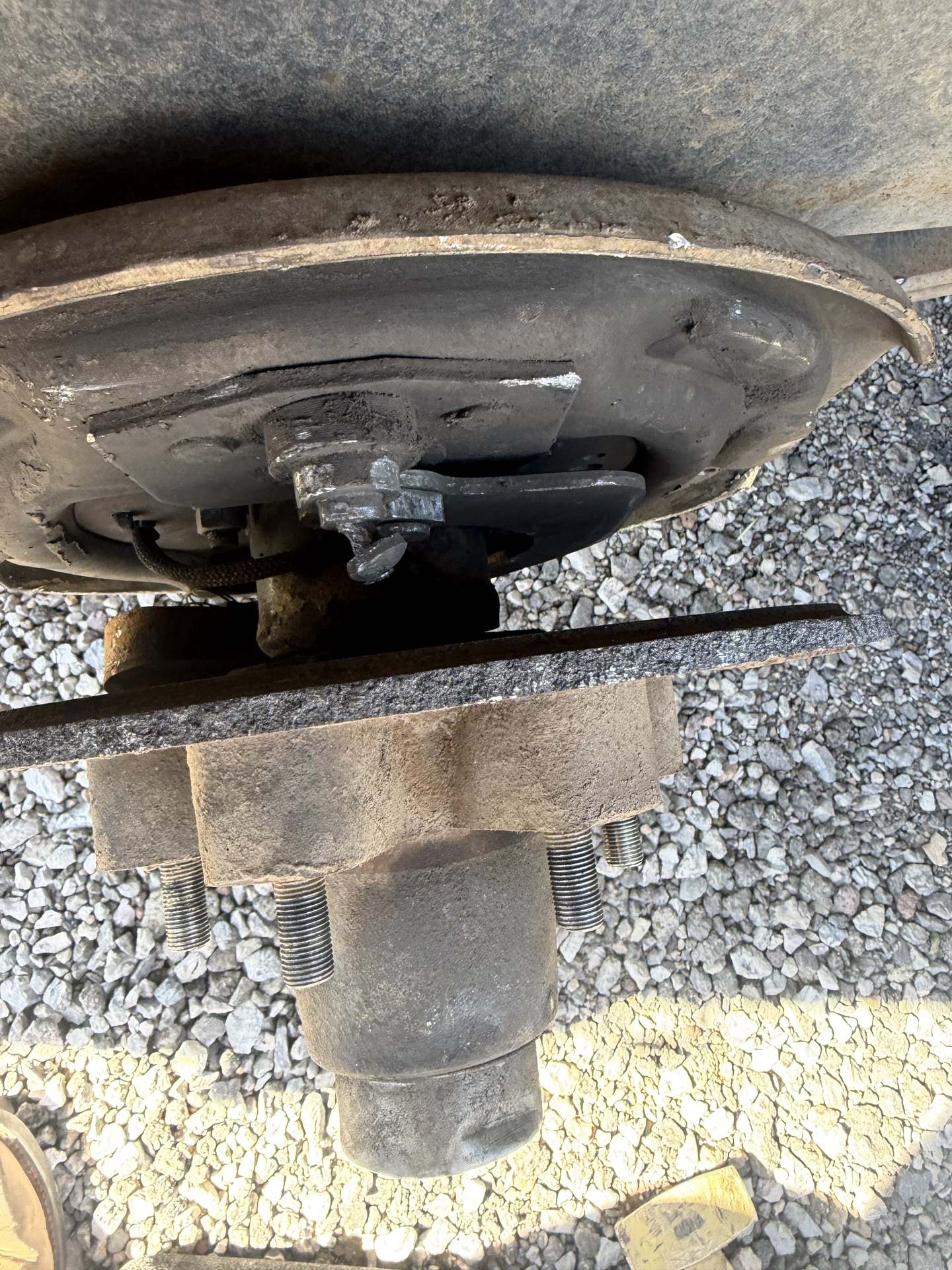
Pre-Trip ·
Heading Down to the Valley for the Winter? The Pre-Trip Check That Saves the Trip
The run down I-17 drops 6,000 feet in about 140 miles. Here is what to check before you hitch up so the trip to the East Valley stays boring.
Read article: Heading Down to the Valley for the Winter? The Pre-Trip Check That Saves the Trip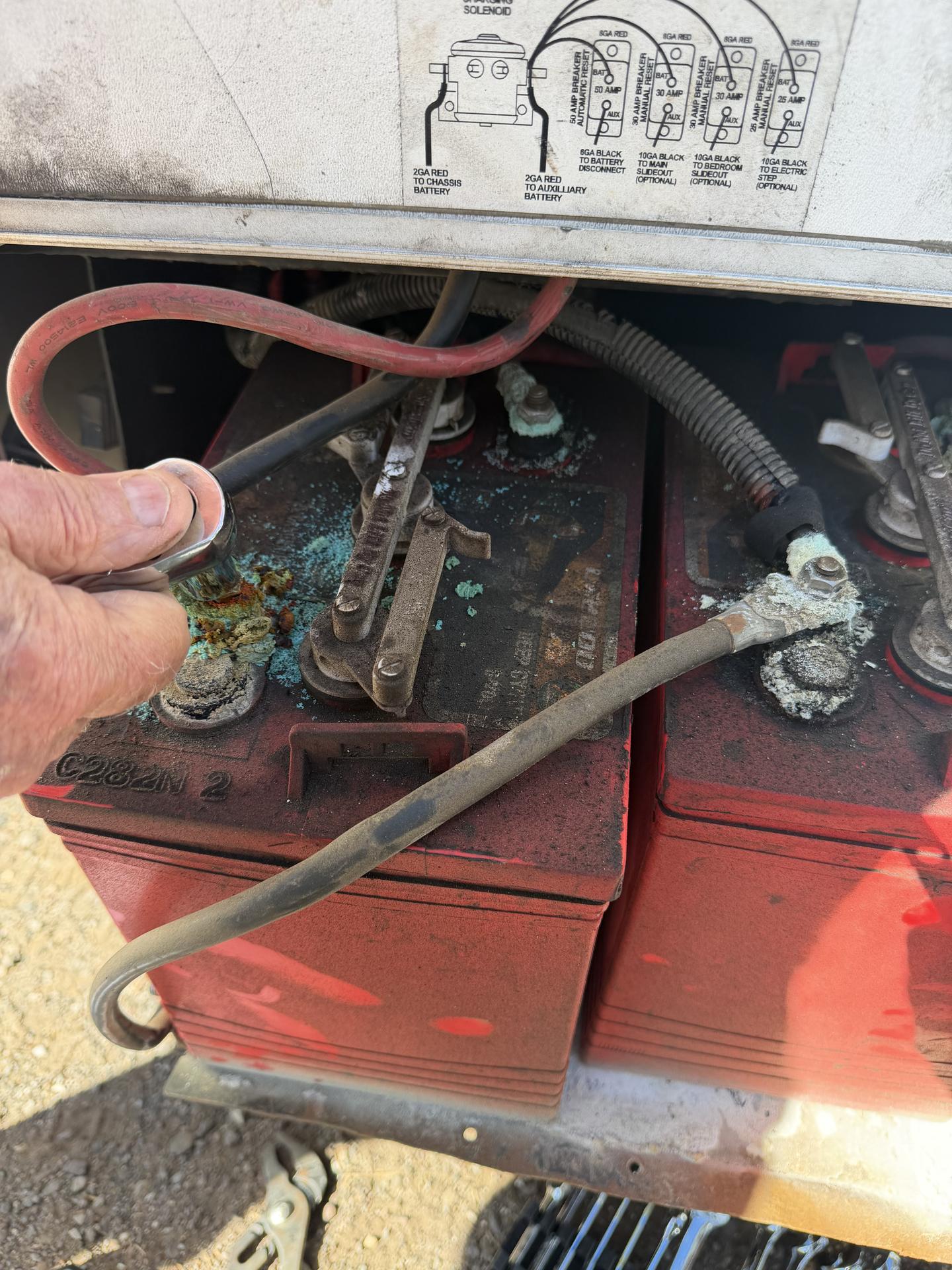
Electrical ·
Why Your RV Batteries Die Every Winter, and What to Do Before November
A battery that sits in a Flagstaff storage lot all winter with a parasitic draw is dead by January. Here is how to keep it alive until spring.
Read article: Why Your RV Batteries Die Every Winter, and What to Do Before November
Heating ·
RV Furnace Blowing Cold Air or Not Lighting? Here's What Actually Fails
Your furnace runs in a fixed order, and it stops at the part that failed. Learn the sequence and you can tell a dead battery from a bad igniter in five minutes.
Read article: RV Furnace Blowing Cold Air or Not Lighting? Here's What Actually Fails